IndustriesHotels & travel
We help hotels and travel operators take more direct bookings and run the property from one system: website and booking engine, PMS, restaurant POS, payments and guest messaging, all connected.
A normal day today
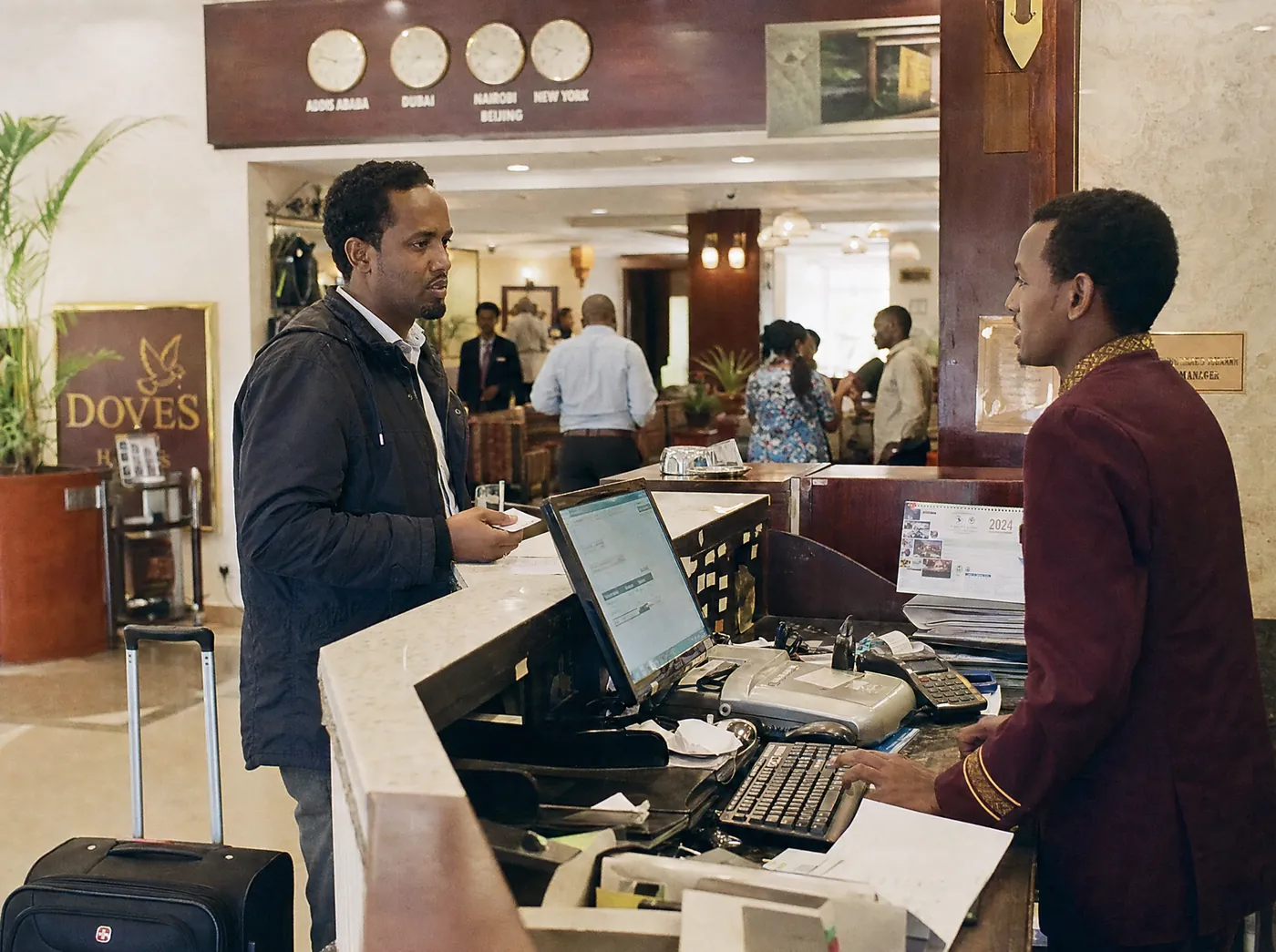
A family books a room on Booking.com at midnight. A walk-in took the same room at seven, and nobody closed it on the channel. The restaurant sends dinner charges to reception on a paper slip. Tomorrow’s arrivals message three different numbers asking when the airport pickup leaves.
The problem
How easy each stage feels, and the system behind it.



Hotels & travel
From booking to checkout, one guest record.
What we build for hotels & travel
 1
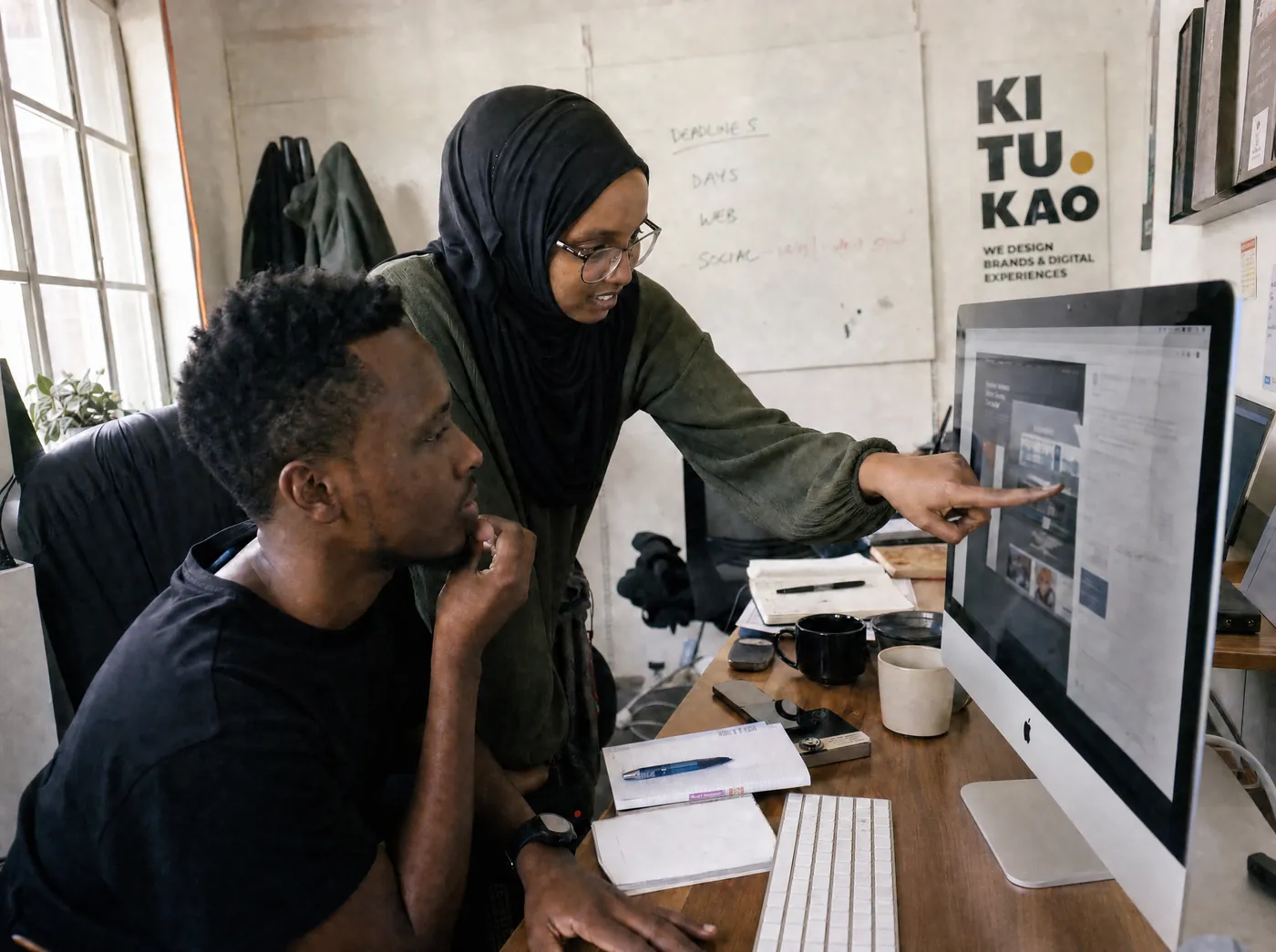
1A website with your rooms, photos and a booking engine that takes deposits by M-Pesa or card. Direct bookings land in the PMS on the same live calendar, and returning guests have a reason to book with you, not the travel site.
 2
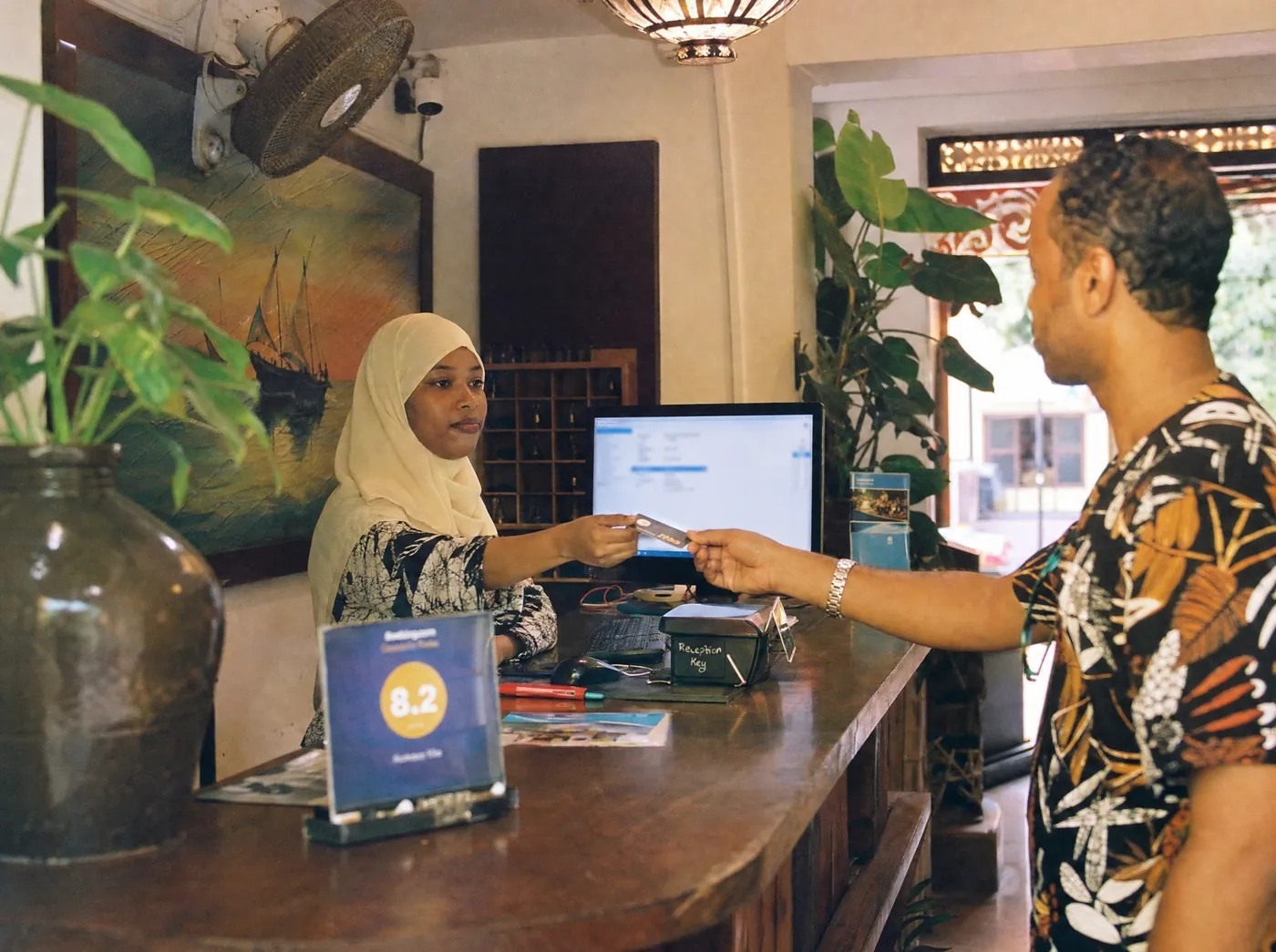
2Booking.com, Airbnb, your website and the front desk all sell from one room inventory. When a room goes, it closes everywhere. Housekeeping sees which rooms are ready before the next guest reaches the desk.
 3
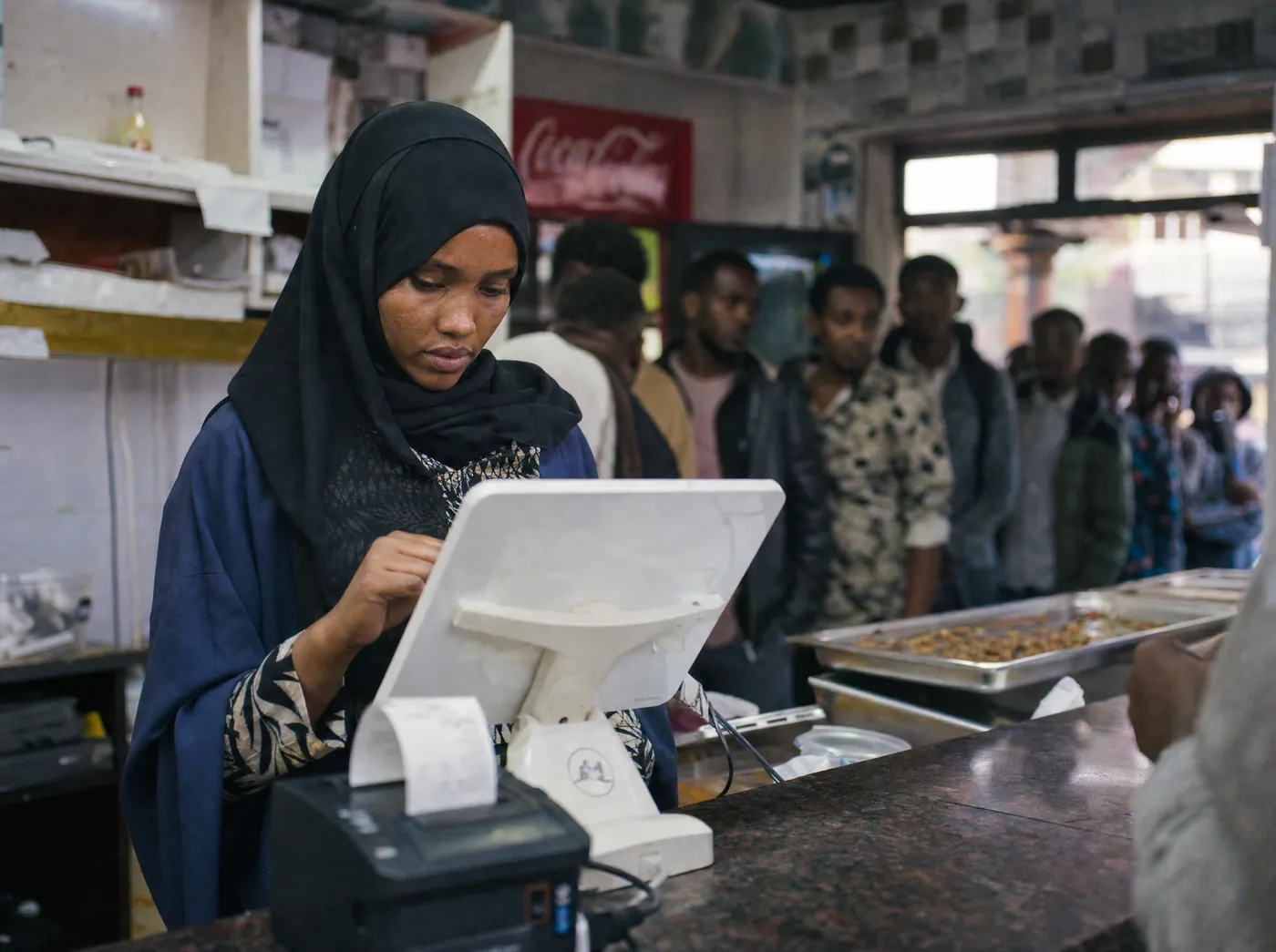
3Your restaurant and bar sell on a POS that knows who is staying. A dinner charge goes straight onto the right folio, and checkout shows one bill the guest settles by M-Pesa or card.
 4
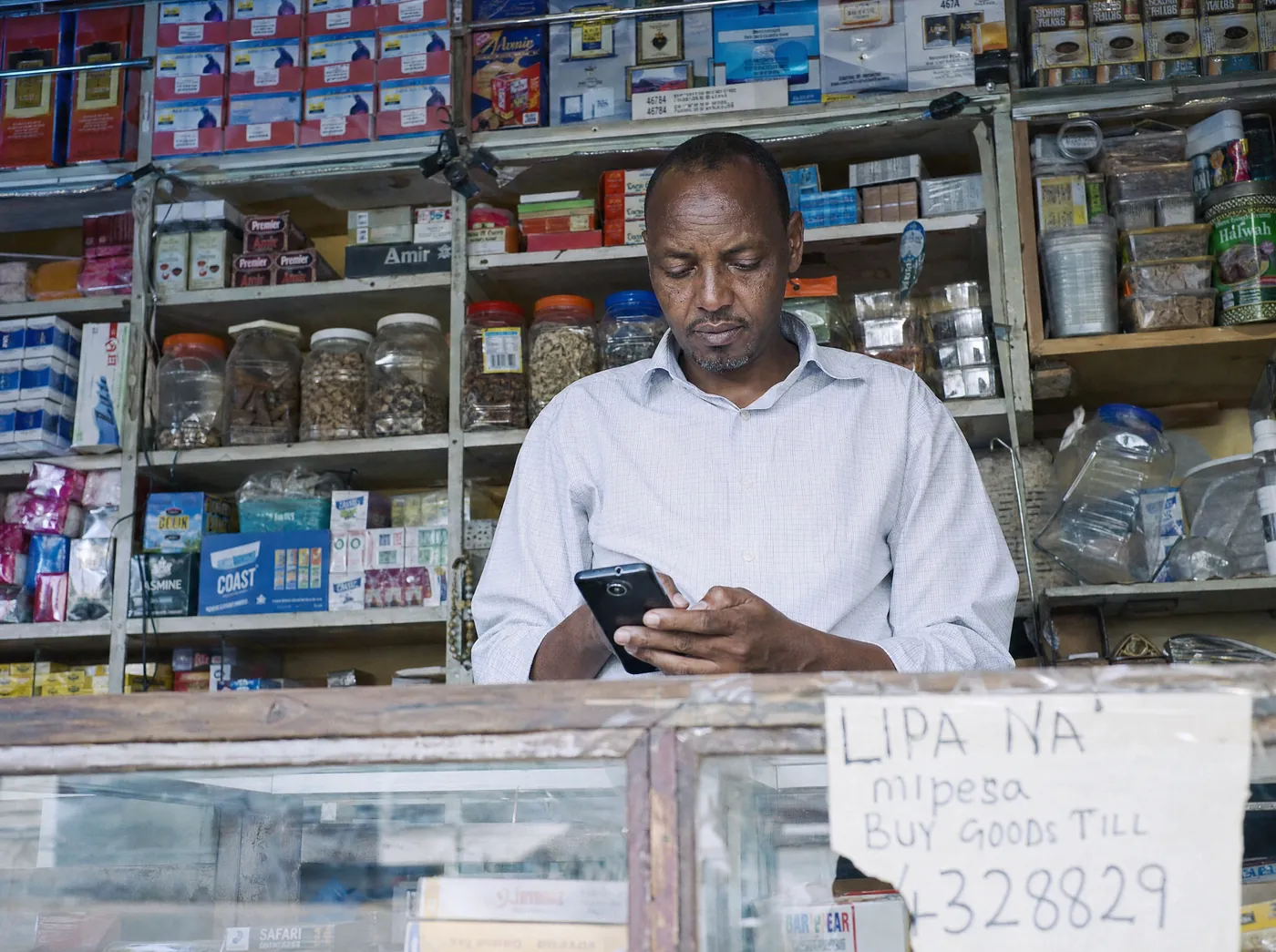
4A confirmation email, then a WhatsApp message before arrival with directions, check-in time and a pickup option. During the stay, requests reach one team inbox. After checkout, a thank-you with a link to book direct next time.
What changes
Starting out
It usually starts with the room calendar: channels, front desk and website brought onto one live inventory, worked through with the general manager and front office. Once bookings flow cleanly, the restaurant moves onto the folio and guest messaging switches on.
Book a scoping callThe fix
Reservations, front desk, housekeeping and billing for hotels.


Fast, search-ready websites for brands, hotels and companies.


M-Pesa, Stripe and Flutterwave inside your app, site or system.


Tills, stock and M-Pesa for restaurants, shops and chains.


Orders, bookings, updates and AI replies on WhatsApp.
Receipts, confirmations and campaigns that reach the inbox.


Work in this sector
Questions
No. Most properties keep them for reach. The point is one calendar across all of them, plus a website that turns returning guests into direct bookings.
Yes. Deposits and balances can be paid by M-Pesa, mobile money or card, and each payment is recorded against the booking.
Yes. Check-in and checkout take a few taps, and each shift is trained on the parts it uses. After launch, you call the same team that set it up.
A free call. You leave with an approach, a timeline and a price range.